- Games Done Quick ended an SNK-sponsored Metal Slug segment midstream after community members raised concerns about the publisher’s Saudi ties.
- Games Done Quick says it will not take future SNK money and will more closely examine ownership structures before approving sponsors.
- Summer Games Done Quick still raised more than $2.4 million for Doctors Without Borders despite the abrupt programming change.
- Saudi Arabia’s growing influence in games is forcing community-led events to confront where sponsorship money originates.
Table of Contents
Games Done Quick drew a line in public
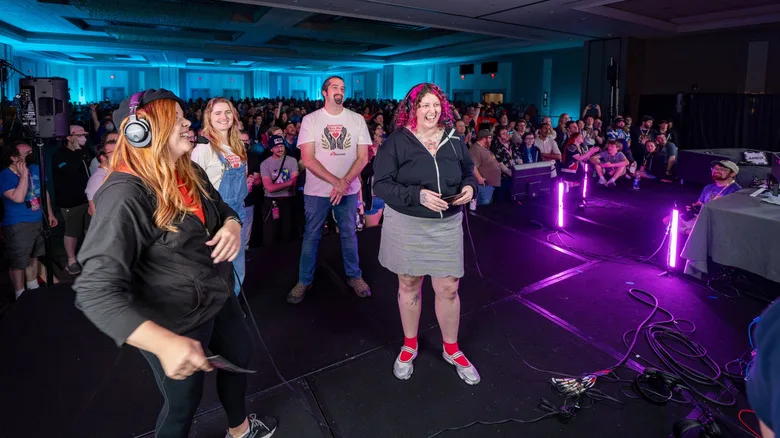
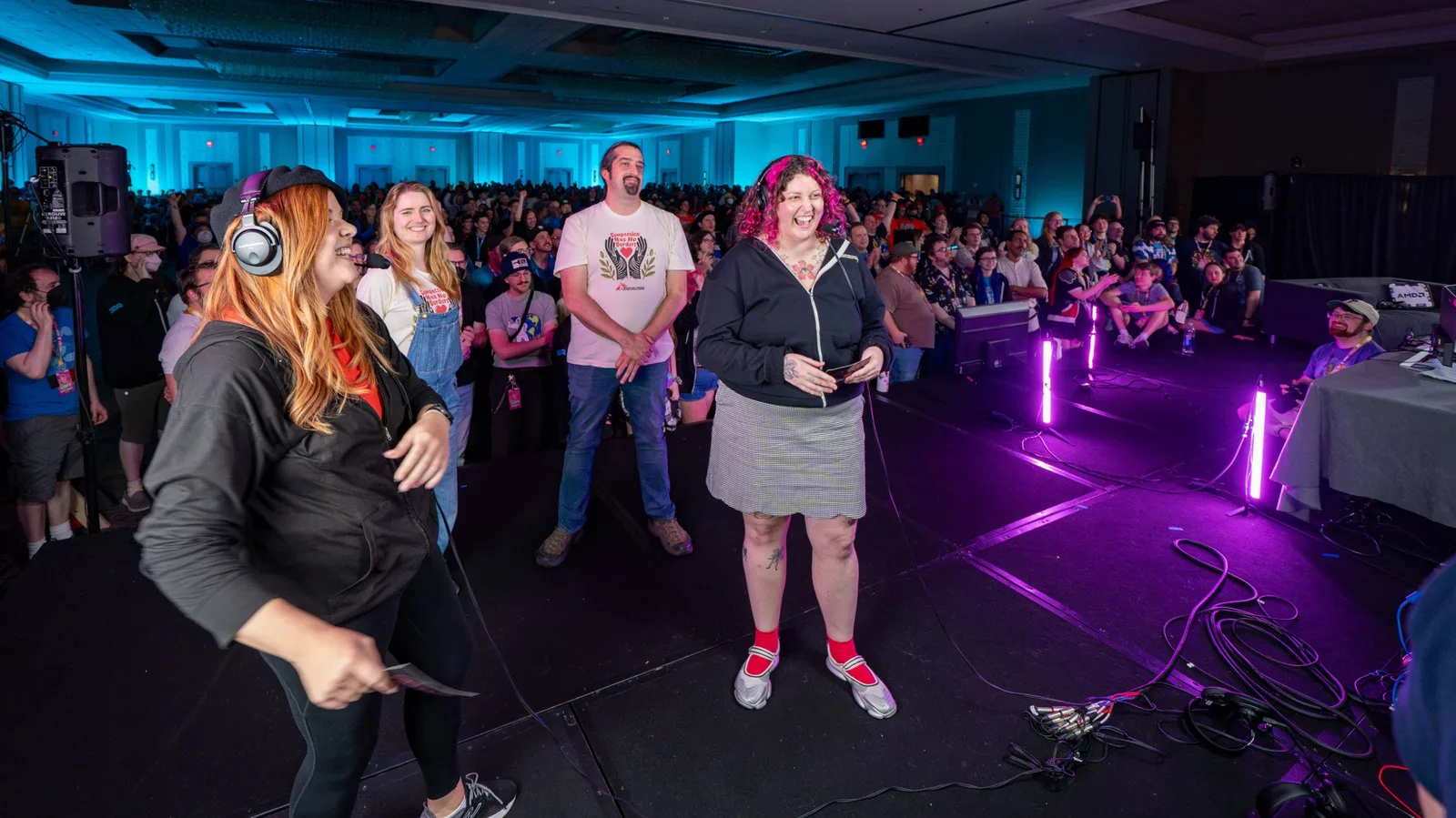
Speedrunning marathons are usually built for controlled chaos: a missed jump, a ruined route, a runner pulling off a save that looks impossible until you remember they have practiced it for 800 hours. But at this year’s Summer Games Done Quick, the disruption came from the sponsor slate. Games Done Quick cut an SNK-backed Metal Slug showcase short while it was live, following community objections to the Japanese publisher’s ownership links to Saudi Arabia.
The organization later said on Bluesky that it had heard concerns regarding the partnership, pointing specifically to SNK’s majority ownership by Saudi Arabia’s Public Investment Fund and the wider human-rights record associated with the Saudi government. GDQ said it would no longer accept money from SNK or work with the publisher in the future.
“We will review and strengthen our process for evaluating future sponsors and partners, including closer examination of companies’ ownership, to make sure they’re aligned with our values,” GDQ said.
That statement is unusually direct in an industry where sponsorship disputes often end in carefully scrubbed language and a vague promise to ‘listen.’ Games Done Quick did not merely remove a logo after the fact; it interrupted a paid segment and abandoned the relationship. That is costly, awkward, and, frankly, the only reason the pledge carries much weight.
Why Games Done Quick could not treat SNK as a normal sponsor
SNK is best known for fighting-game staples including The King of Fighters, the Fatal Fury series, and run-and-gun classic Metal Slug. On the surface, it looks like a conventional Japanese games company showing up at a beloved speedrunning event. The ownership picture is considerably less simple.
Saudi Crown Prince Mohammed bin Salman’s Misk Foundation holds a majority stake in SNK through its Electronic Gaming Development Company subsidiary. Misk is a nonprofit foundation established by the crown prince, while the Saudi Public Investment Fund, or PIF, is the state sovereign wealth fund he chairs. For critics, separating these entities on paper does not erase their shared political context.
That context has become increasingly difficult for games organizations to ignore. Saudi Arabia has poured money into publishers, esports, events, and game companies as part of an effort to build its entertainment sector and reduce dependence on oil. The PIF has held stakes in major Japanese publishers including Capcom, and Saudi-backed investment has increasingly pushed into the biggest corners of the business. The most consequential recent example is the reported $55 billion acquisition of Electronic Arts by the PIF alongside private-equity partners.
There is a reasonable argument that companies should be judged by the games they make and the people they employ, not only by distant shareholders. But sponsorship is different. A sponsor is asking an event to place its name beside a cause, a community, and a public set of values. Games Done Quick was raising money for Doctors Without Borders, an organization that delivers medical care in war zones and humanitarian crises. The symbolism was never going to be neutral.
Readers may remember the industry’s last few years of uncomfortable sponsor math: esports events attached to Saudi-backed entities, publishers taking investment while avoiding political discussion, and audiences being asked to distinguish between a tournament organizer and the power behind its funding. It is a distinction that gets harder to maintain every year.
The community caught a process failure, not just a bad fit
The midstream cancellation also raises an awkward question for Games Done Quick: why did this reach the broadcast before anyone flagged it? SNK’s ownership structure is not hidden, and the community concerns did not materialize from nowhere. A charity event with GDQ’s profile needs a sponsor review process that looks beyond a familiar publisher name and a signed check.
GDQ has acknowledged as much. Its promise to scrutinize corporate ownership more carefully is a useful start, although the real test will be boring and procedural: who conducts the review, what risks trigger rejection, and whether the organization applies the standard consistently when the partner is large enough to make walking away painful.
That last part matters. Ethical sponsorship policies are easy when the money is small. They become meaningful when saying no creates a budget hole, irritates a major publisher, or risks losing access to a popular game. Games Done Quick has now set a public precedent for itself. Future deals will be measured against it.
There is also no reason to pretend every player, runner, or SNK developer shares responsibility for government policy. They do not. The issue is institutional endorsement. Communities can enjoy Metal Slug without wanting its publisher’s ownership network presented as a benevolent partner at a charity fundraiser. Both ideas can be true at once.
A fundraiser that exposed an unfinished lesson
Summer Games Done Quick still raised more than $2.4 million for Doctors Without Borders. That figure helps explain why the event commands loyalty in the first place: speedrunning has built a remarkably durable charitable institution from a hobby that once lived mostly in forum posts, capture cards, and grainy YouTube uploads.
The SNK episode does not erase that work. If anything, it shows how seriously the community takes the event’s mission. Viewers did not object because they wanted drama during a run. They objected because they believed the fundraising platform should reflect the humanitarian purpose attached to it.
My read is that this will not be the last confrontation of its kind. Saudi investment in games is now too extensive for organizers to rely on brand recognition alone, and other sovereign funds will pose similar questions as the industry chases capital. Games Done Quick made the difficult call after the broadcast had already begun. The next challenge is making sure it does not have to make that call live again.